50501 Northeast Florida
Grassroots movement branding built to activate a younger generation
Role: Project lead — brand strategy, visual identity, motion graphics, and campaign communications
50501 Northeast Florida is a grassroots political movement organizing protests, rallies, and rapid-response actions in opposition to authoritarianism and state violence. The work exists in public space and in real time, where design has to be instantly legible, culturally aligned, and impossible to ignore.
This project was created to address a clear gap in progressive organizing: younger millennials and Gen Z overwhelmingly shared the movement’s values, but did not believe showing up mattered. I developed a modular brand system designed to signal urgency, collective power, and cultural alignment at a glance. The system prioritizes visibility, adaptability, and emotional resonance across protests, social media, and campaign communications, and is actively used in real-world organizing to make resistance visible and participation feel immediate.
The Challenge
50501 Northeast Florida was already visible, but its visual language reflected an audience that was already engaged. Patriotic colors and familiar protest aesthetics resonated with older participants, while younger millennials and Gen Z read the movement as safe, institutional, and disconnected from the urgency they felt. To them, it did not look like a space built with them in mind.
The challenge was not to replace the existing community, but to expand the cultural signal of the movement. The brand needed to communicate a clearer left alignment, a stronger sense of resistance, and a visual confidence that matched the stakes of the moment. It had to feel young, disruptive, and emotionally honest, while still welcoming the people who had been showing up from the start. The goal was to make it immediately clear that this movement understood their anger, their skepticism, and their belief that real change requires action.
The Direction
To address the challenge, the brand direction needed to feel unmistakably younger and more resistant, without erasing the people who had already been showing up. The solution was not neutrality or compromise, but confidence. Bright, defiant color, retro influence, and a visually aggressive tone were chosen to signal a clear break from red, white, and blue liberalism and toward something more honest, emotional, and left-aligned.
The aesthetic draws from retro rebellion, analog grit, graffiti, and glitch, not as nostalgia for its own sake, but as a shared emotional reference point. For younger audiences, it communicates disruption, refusal, and cultural fluency. For older participants, it recalls earlier moments of idealism, protest, and belief that systems could be challenged and changed. The voice is intentionally snarky and unapologetic, but flexible enough to hold empathy, grief, anger, and collective care. The goal was to create an identity that felt alive, defiant, and expansive, one that made participation feel meaningful rather than symbolic.
Identity System
The identity system was designed to be modular, expressive, and resilient across rapidly changing contexts. Because 50501 NEFL operates in public space, online, and in real time, the brand needed to adapt instantly without losing recognition. Logos, color, typography, and texture function as interchangeable components rather than fixed assets, allowing the system to flex in tone while remaining unmistakably cohesive.
Logo System
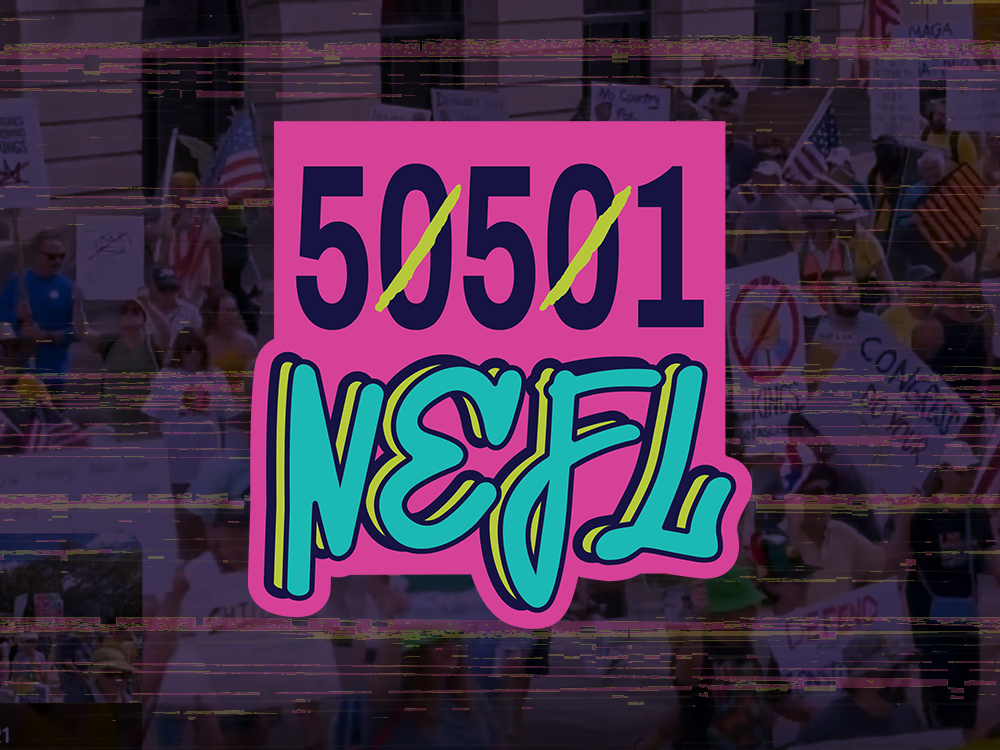
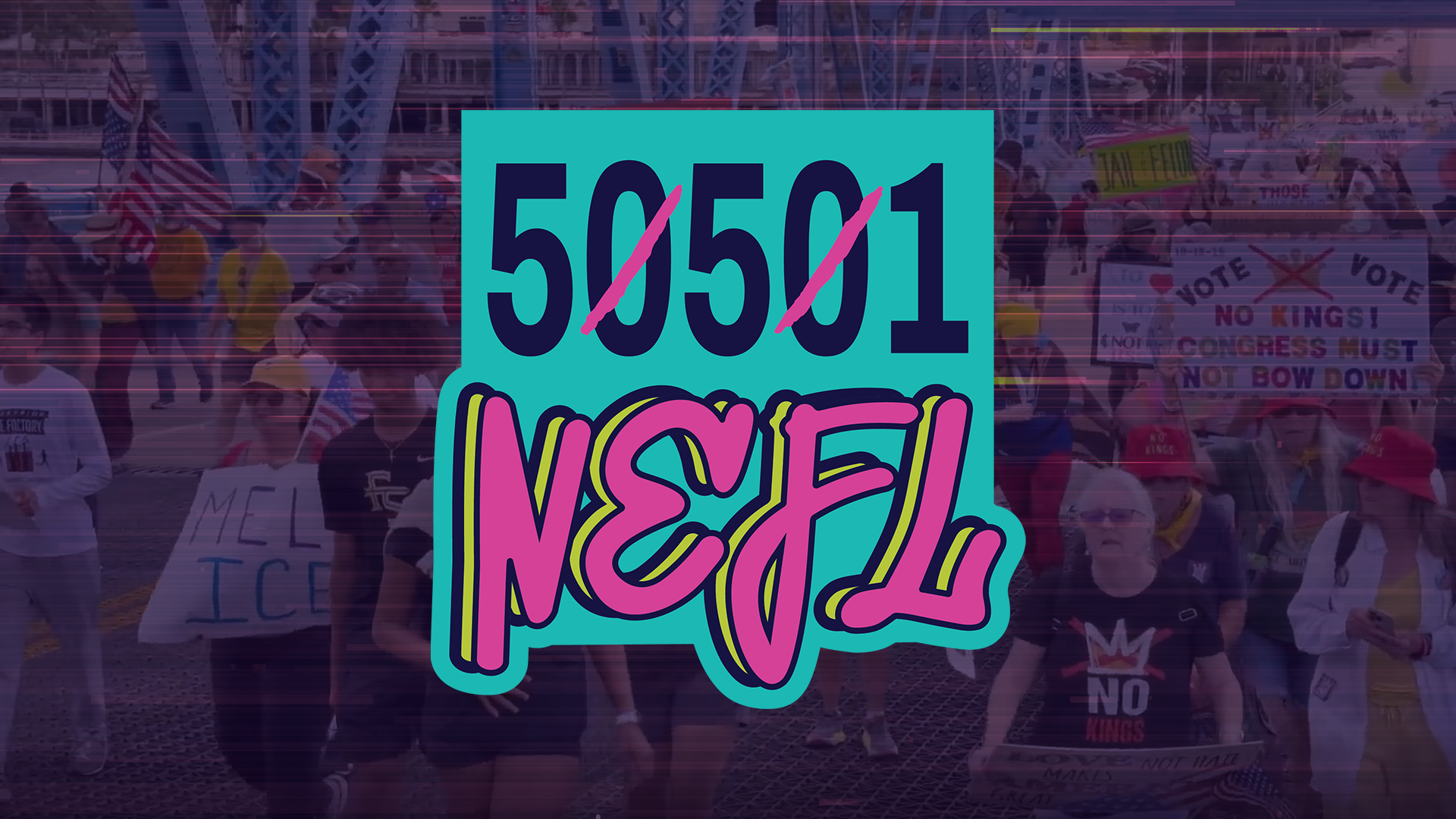
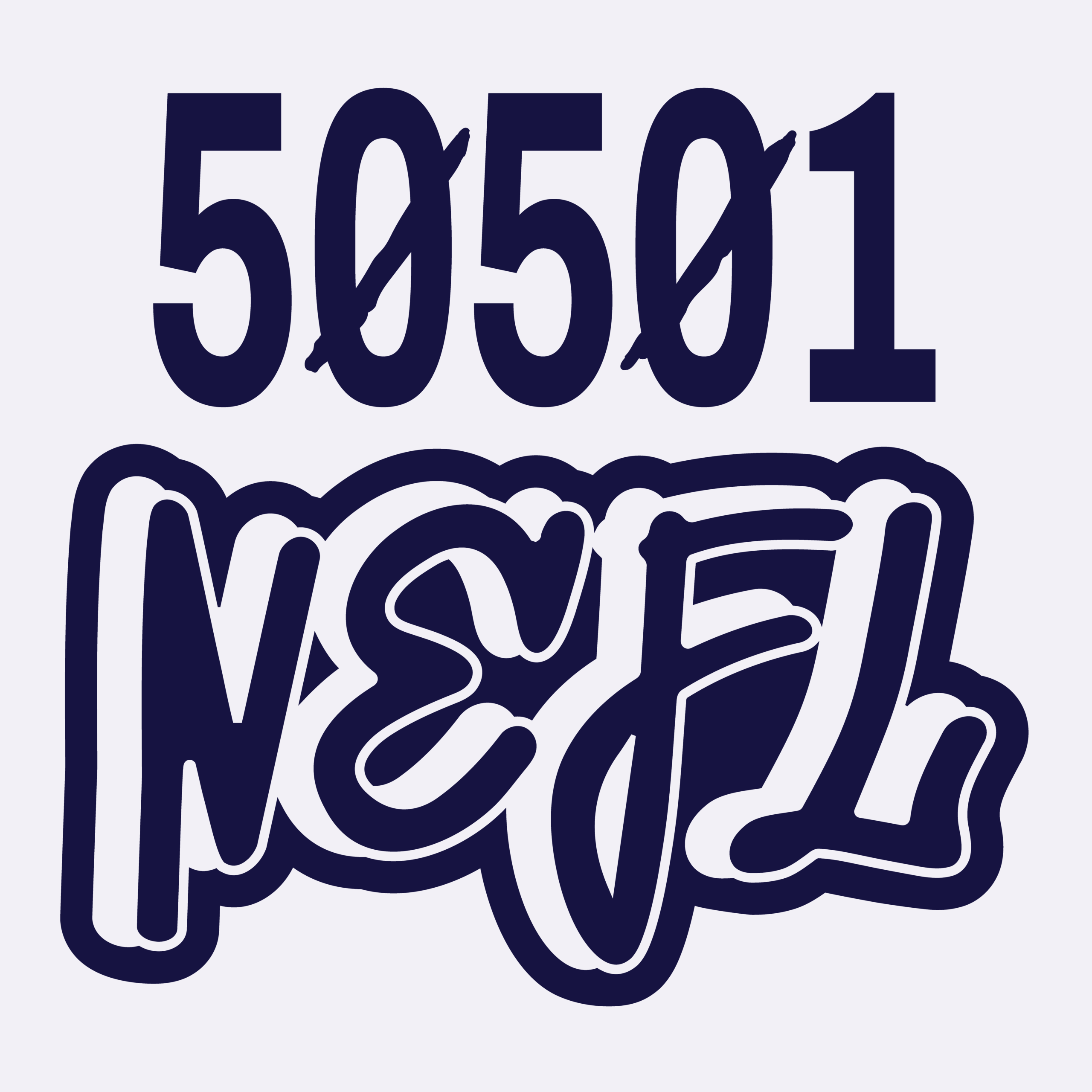
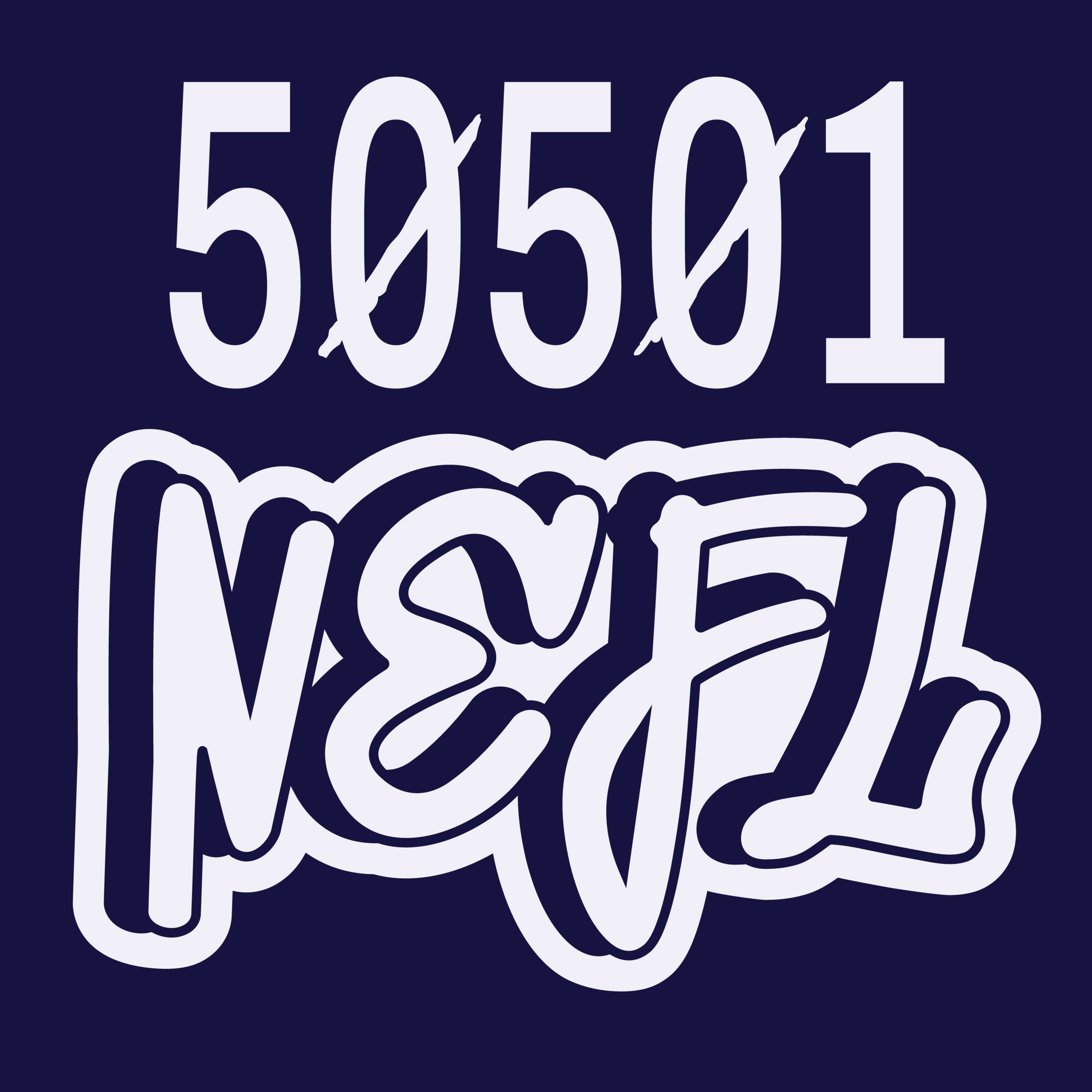
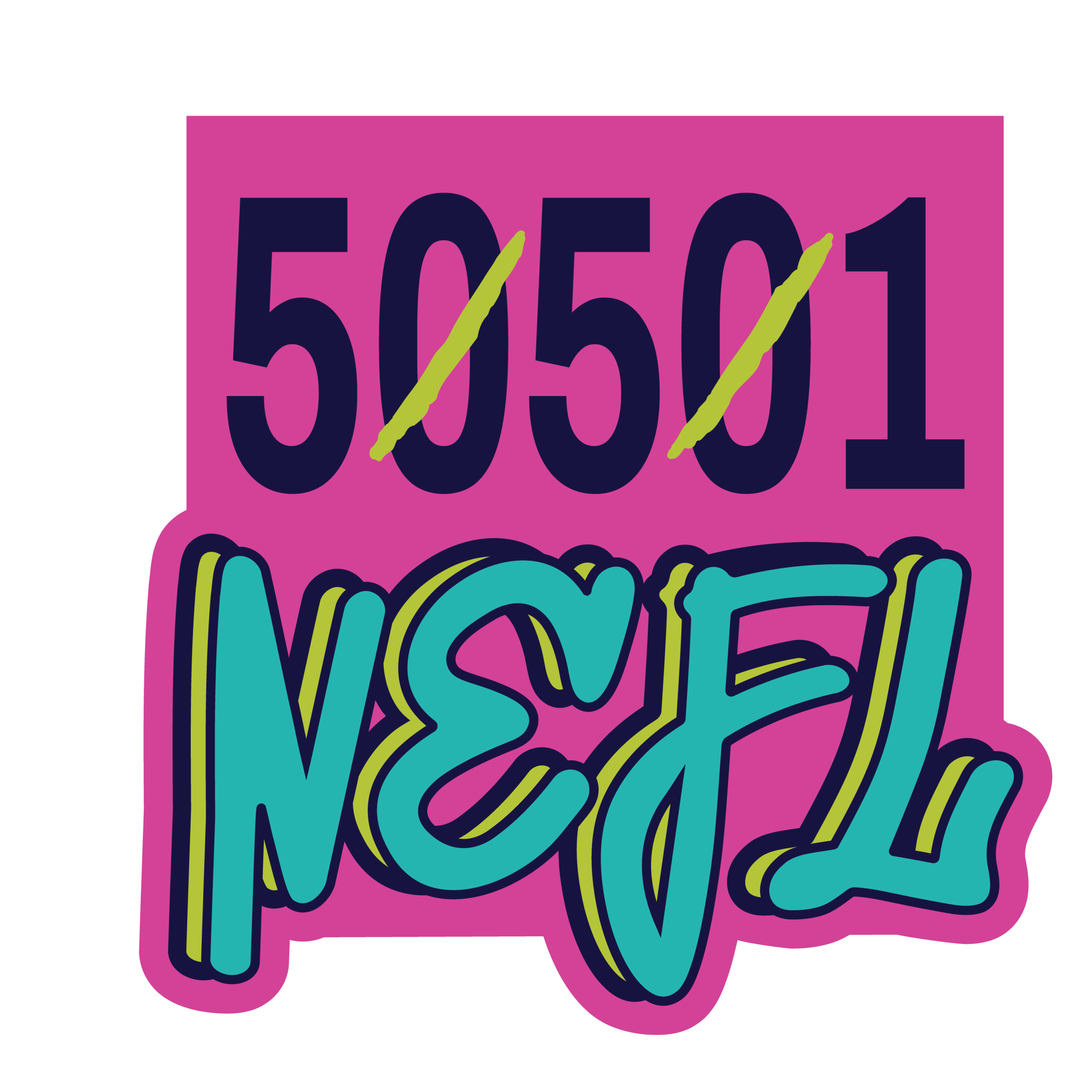
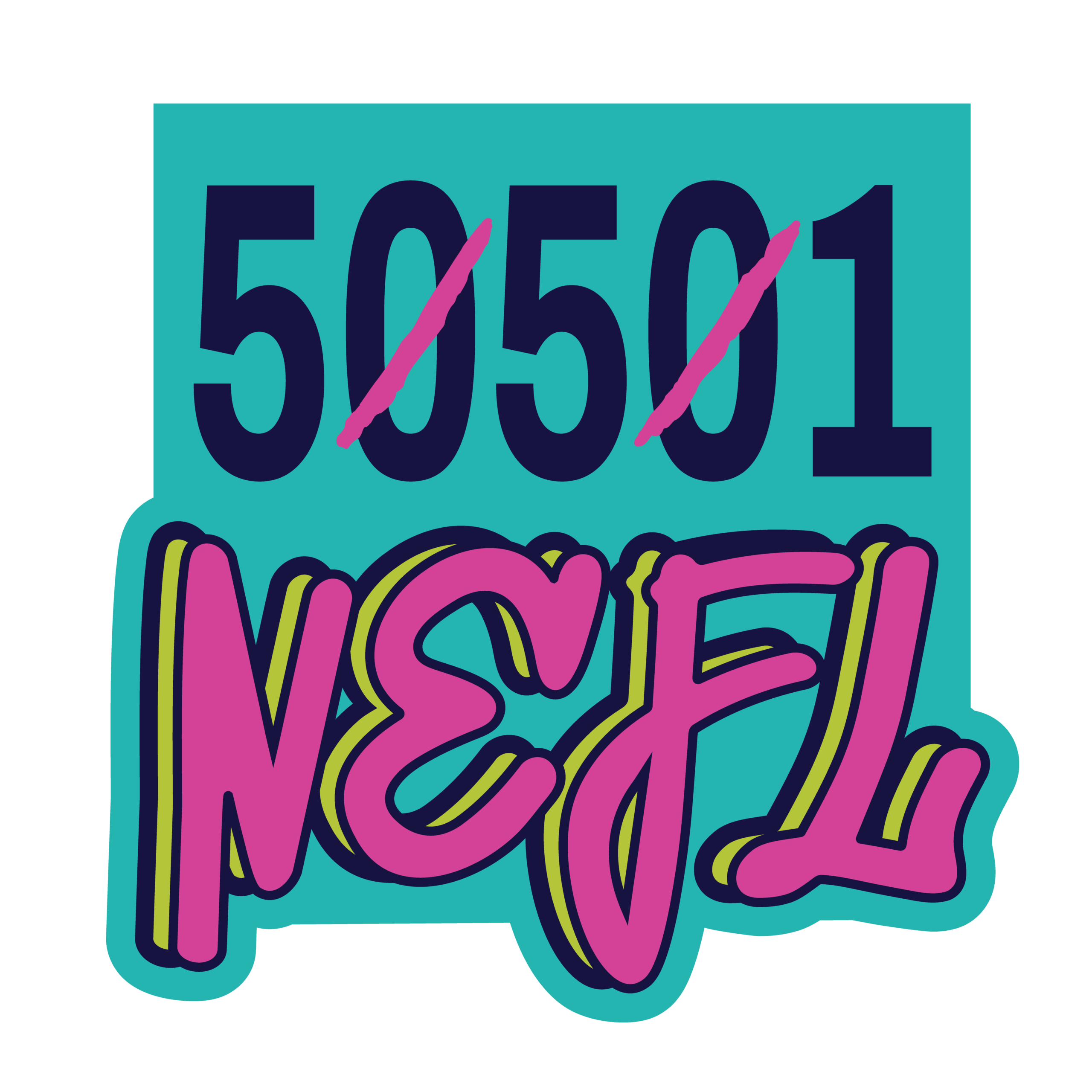
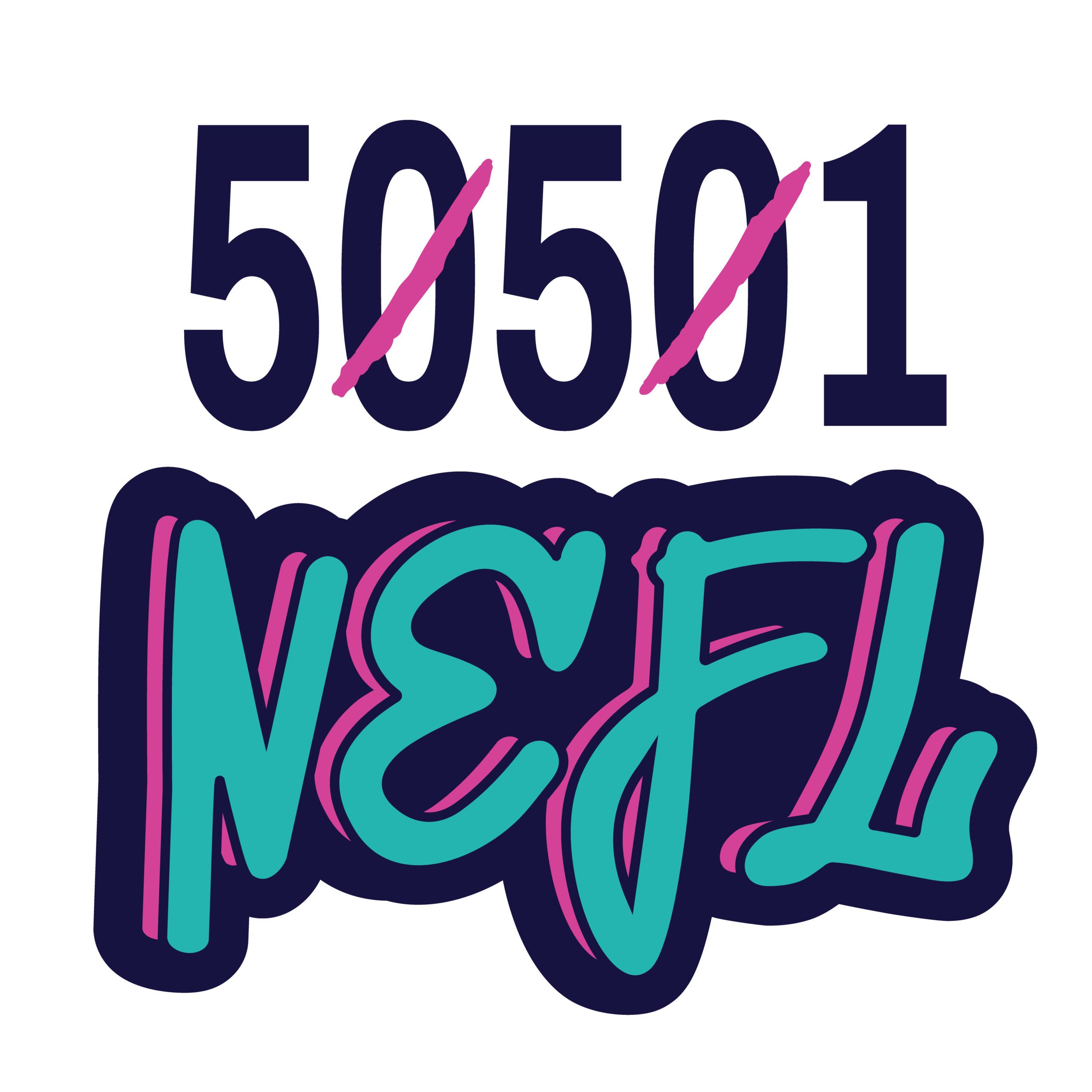
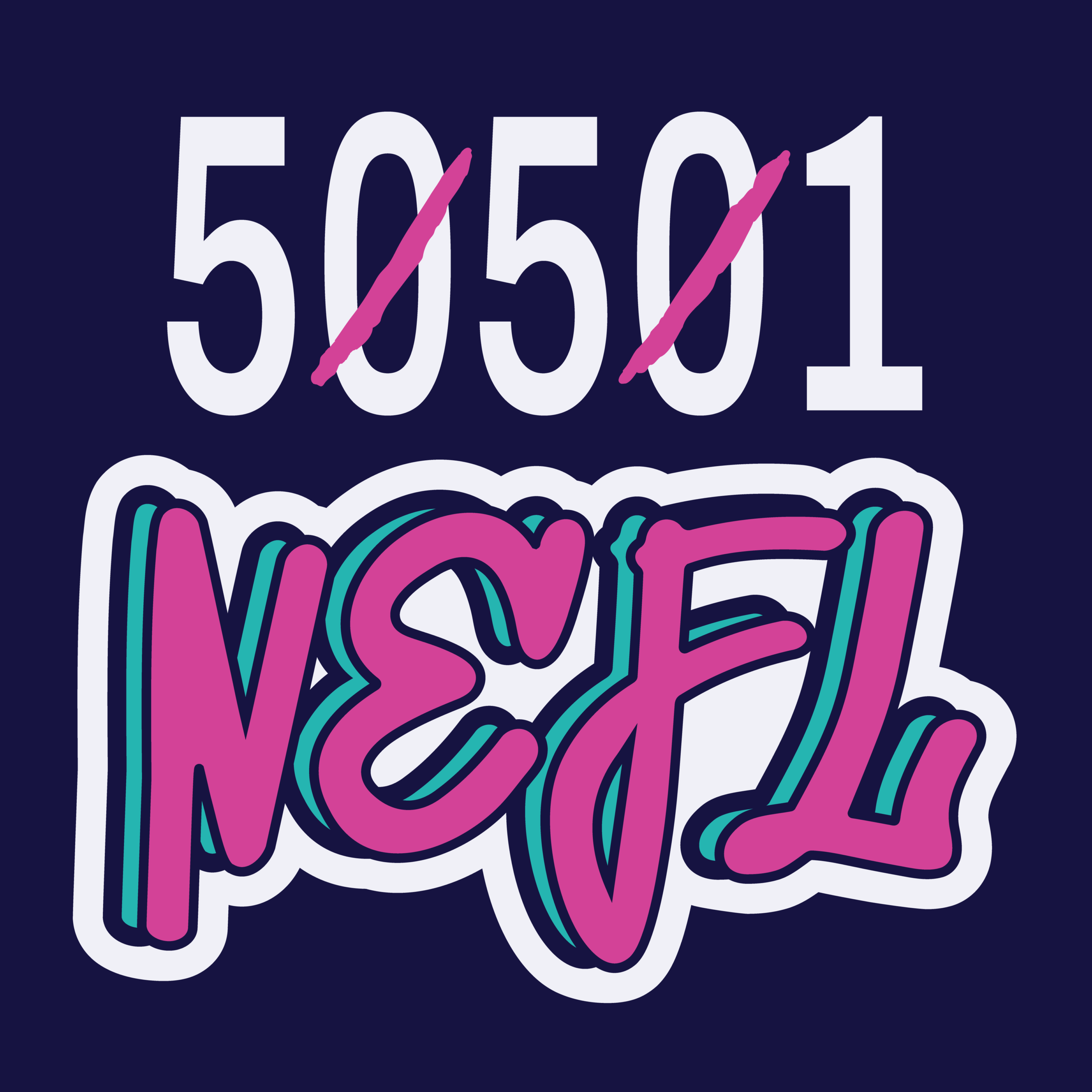
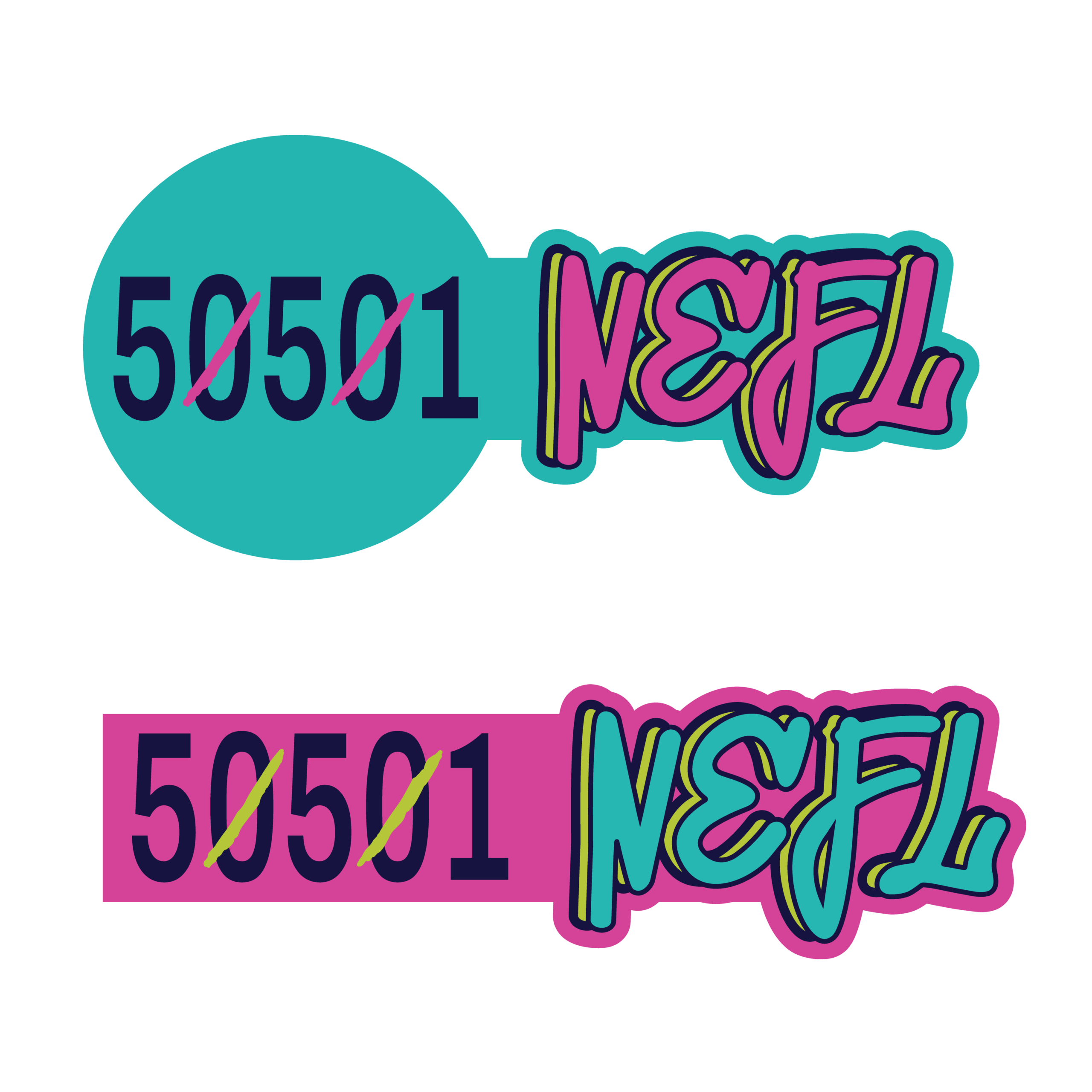
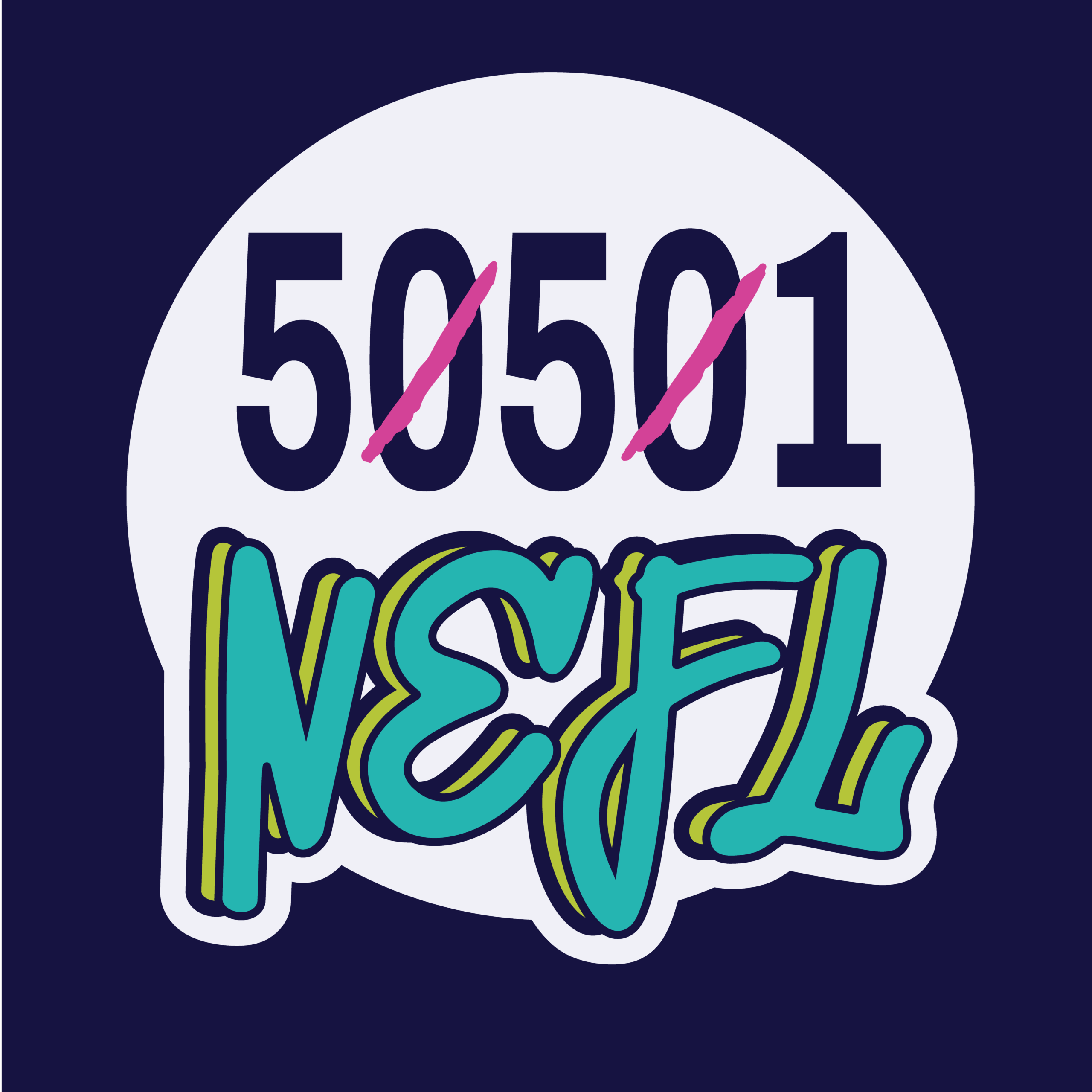
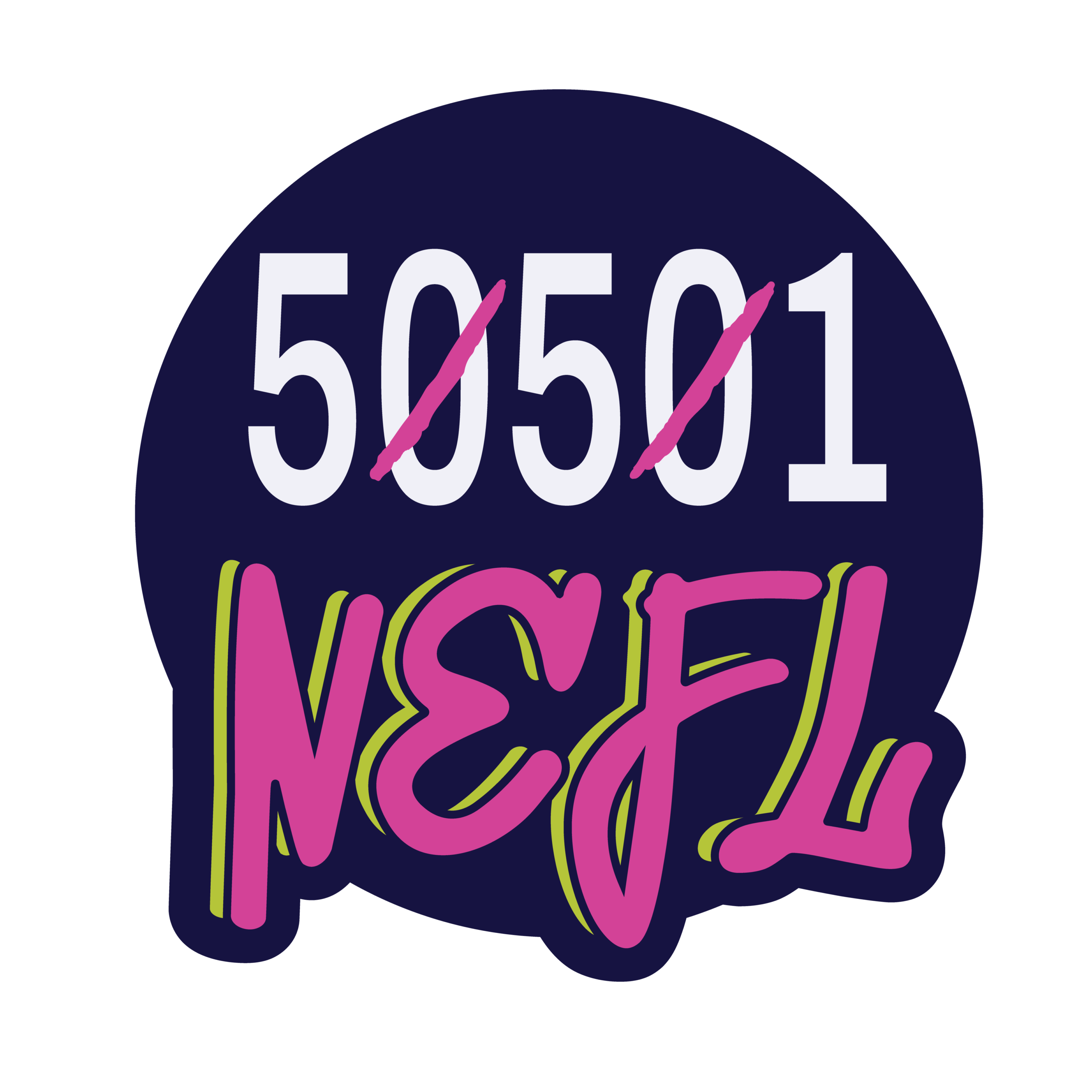
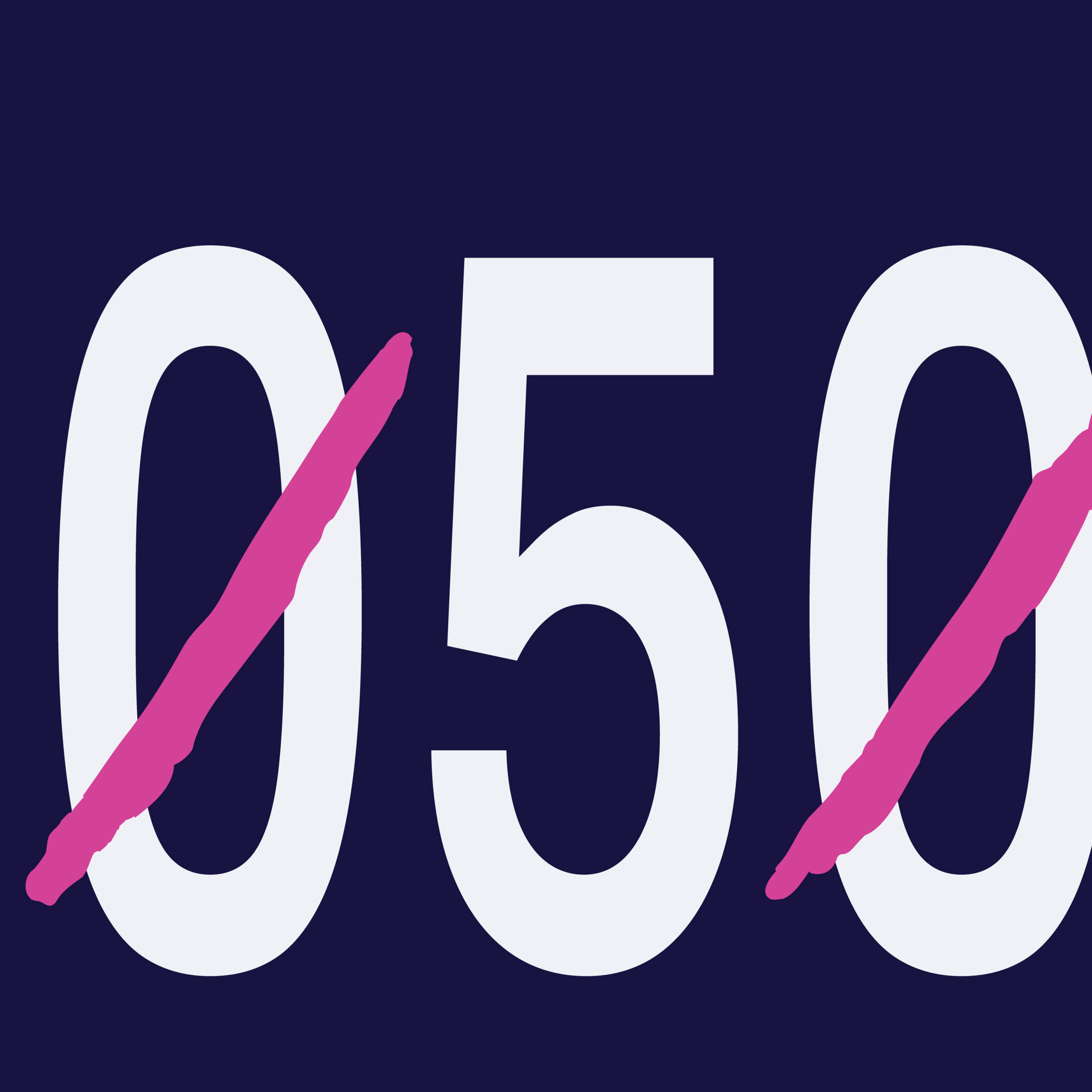
The core logo is built around bold letterforms and slashed numerals that signal disruption and resistance. The NEFL lettermark and the altered zeroes act as visual anchors, ensuring recognition even when the logo is cropped, recolored, or partially obscured. Multiple configurations were developed to support different use cases, including square, circular, horizontal, and simplified formats.
Rather than treating the logo as a static mark, the system. The logo system is designed to expand or simplify depending on scale, context, and urgency. This flexibility ensures the identity remains legible and powerful across signage, social media avatars, print materials, and merchandise.
Visual Language
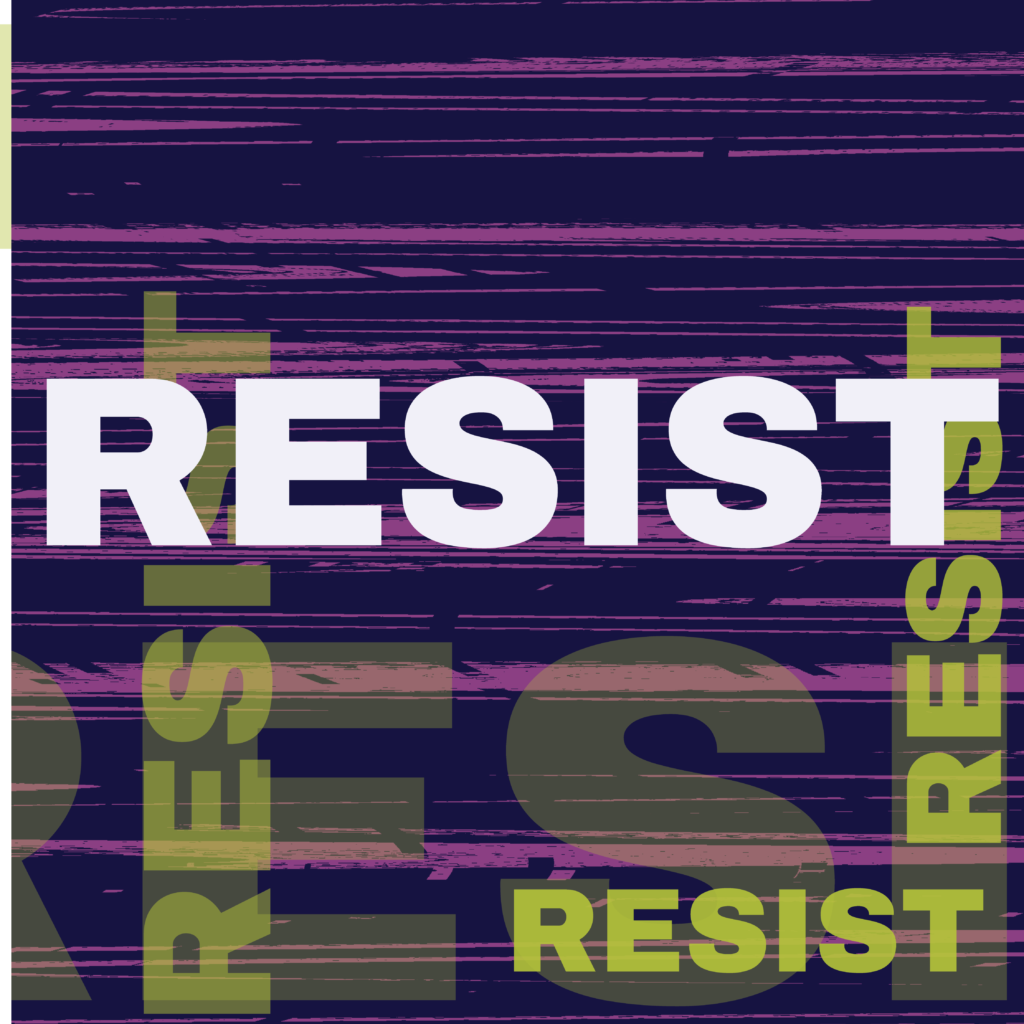
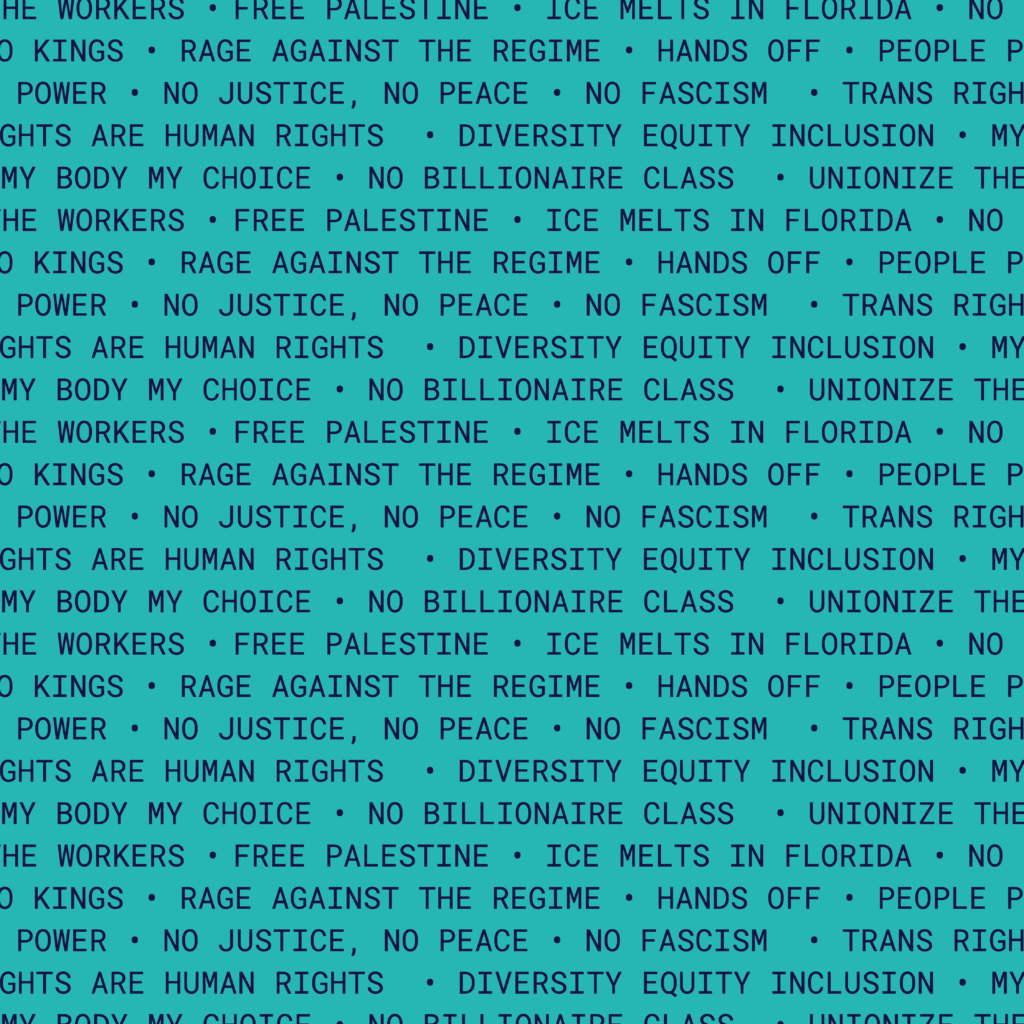
Supporting elements extend the logo into a broader visual system built for repetition, interruption, and impact. Typographic textures, pattern fields, and graphic marks are used as structural elements rather than decoration, allowing layouts to feel loud, layered, and intentionally unresolved. The system embraces visual noise, fragmentation, and density to reflect the urgency and instability of protest environments.
The visual language draws from urban mark-making, analog distortion, and retro digital aesthetics. Paint-like strokes, sprayed symbols, and rough overlays suggest editing, vandalism, and refusal, as if the work is constantly being rewritten in real time. Glitch, fuzz, and VHS-style interference introduce a sense of disruption and imperfect transmission, echoing the feeling of bad copies, pirate broadcasts, and messages pushed through broken systems. These elements are balanced with bold typography, rounded bars, and saturated color to create rhythm, hierarchy, and moments of clarity within the chaos.
Together, the system evokes both resistance and nostalgia. Not nostalgia for a better past, but for the feeling of possibility itself. A sense of longing for a future that has not arrived yet, and a challenge to help build it.

Color Strategy
Color plays a central role in signaling defiance and cultural fluency. A deep navy functions as the primary foundation, replacing black to provide weight and gravity without feeling flat or sterile. High-contrast accent colors, including neon green, magenta, and teal, demand attention and visibility while deliberately breaking from traditional red, white, and blue political palettes. Black, off-white, and grayscale treatments are used sparingly when the message requires restraint, gravity, or clarity, such as moments of mourning, print limitations, or high-stakes communication. Together, the palette is designed to disrupt the expected visual landscape of political organizing while remaining unmistakable, controlled, and intentional.

Execution
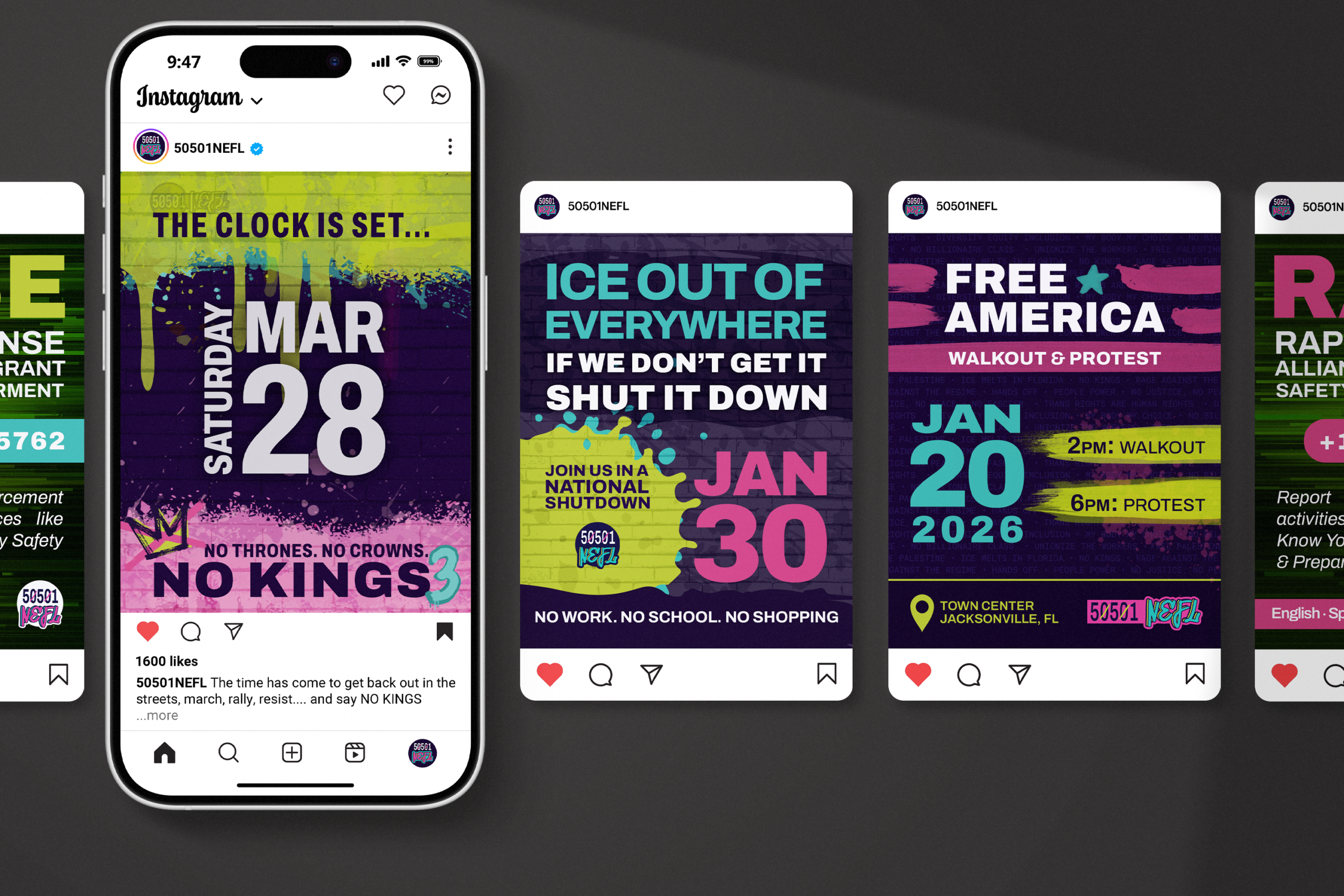
The identity system is actively used across protests, campaigns, and rapid-response organizing. It is designed to perform under real-world constraints, from crowded streets and printed flyers to fast-moving social platforms and live events. The work shown here reflects how the system adapts in public space, maintaining recognition and urgency while responding to changing messages, moments, and scale.
Outcome & Future Direction
The 50501 NEFL identity established a consistent visual presence for the movement across events, digital content, and rapid-response actions. The system supports visibility, recognition, and cohesion in high-pressure environments, allowing the organization to communicate urgency while remaining adaptable to changing messages and conditions. This brand demonstrates how design can function as infrastructure for organizing, not just aesthetics.